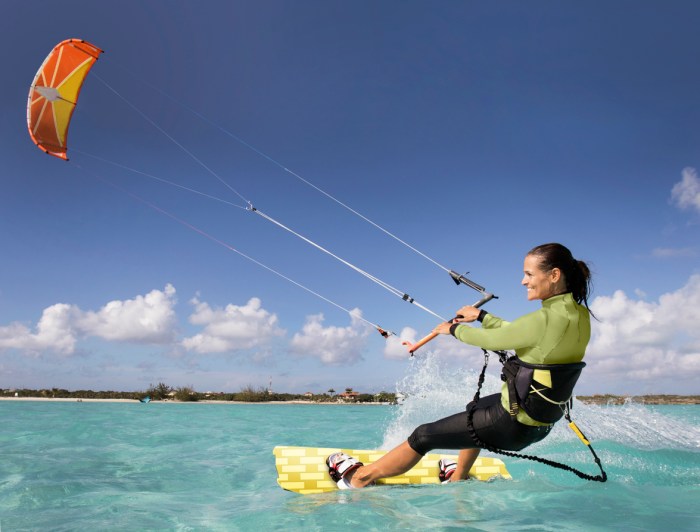
Kitesurfing lessons 2025 offer an exhilarating adventure for beginners eager to ride the waves and harness the wind. This exciting sport combines elements of surfing and parachuting, enabling participants to glide across the water with a kite. In 2025, new learners can expect tailored instruction that emphasizes safety, skill development, and the latest in kitesurfing equipment, making it easier than ever to get started.
As the sport continues to evolve, understanding the essential gear and various kitesurfing styles is crucial for success. Whether you’re drawn to freestyle, wave riding, or racing, the lesson structures are designed to cater to your interests and skill level, ensuring a comprehensive learning experience that sets you up for fun on the water.
Kitesurfing Lessons Overview
Kitesurfing is an exhilarating sport that combines elements of surfing, windsurfing, and paragliding. As we step into 2025, beginners can expect structured lessons that cater to varying skill levels, equipped with the latest advancements in technology and safety. These lessons are designed to ease newcomers into the water while providing comprehensive knowledge about the sport.The essentials of kitesurfing encompass not just the thrill of riding the waves but also the equipment that has significantly evolved over recent years.
Modern kitesurfing gear is lighter, more durable, and user-friendly, facilitating an easier learning experience. The fundamental equipment required includes a kite, a board, a harness, and safety gear such as a helmet and impact vest. Each component plays a crucial role in ensuring both safety and performance.
Essential Equipment for Kitesurfing
Understanding the necessary equipment is vital for a successful kitesurfing experience. The following list elucidates the key items that every beginner should familiarize themselves with:
- Kite: The heart of kitesurfing, kites have evolved to be more stable and efficient. In 2025, beginner-friendly kites often feature easy relaunch capabilities and adjustable power settings.
- Board: Available in various shapes and sizes, beginner boards typically offer more volume and surface area for easier balancing. Advances in technology have led to lightweight materials that enhance maneuverability.
- Harness: A comfortable harness is essential as it connects the kitesurfer to the kite, allowing for control without straining the arms. Seat harnesses and waist harnesses cater to different preferences.
- Safety Gear: A helmet is crucial for head protection, and an impact vest can minimize injury from falls, emphasizing the importance of safety in learning environments.
Styles of Kitesurfing and Lesson Structures
Kitesurfing comprises various styles, each with its unique techniques and lesson structures. Understanding these styles helps beginners choose the right path for their interests. The primary styles include:
- Freestyle: This style focuses on performing tricks and jumps. Lessons typically emphasize kite control and board skills, enabling riders to express creativity on the water.
- Wave Riding: Aiming to ride ocean waves, lessons for this style concentrate on kite positioning and maneuvering in the surf, enhancing both skill and enjoyment in natural conditions.
- Foil Kiting: A newer style that offers a unique experience by using a hydrofoil to lift the board above the water. Lessons often address balance and control in a different context compared to traditional riding.
Each style demands a tailored lesson structure that considers the specific skills required. Beginners can expect their instructors to adapt lessons according to personal progress and preferences, ensuring an enjoyable and comprehensive learning experience.
Legal Considerations for Kitesurfing
Kitesurfing is an exhilarating sport that combines elements of surfing and flying. However, engaging in this activity involves navigating various legal regulations and safety standards that vary by region. Understanding these legal considerations is crucial for both participants and instructors to ensure a safe and enjoyable experience while minimizing legal risks.Kitesurfing regulations can differ significantly from one location to another.
Many regions have established specific laws that govern where and how kitesurfing can be performed. Safety standards are also put in place to protect both the kitesurfer and the general public. Compliance with these regulations is essential for risk management and liability protection.
Legal Regulations and Safety Standards
In various regions, kitesurfing laws address both the locations where kitesurfing is permitted and the equipment standards that must be met. Understanding local laws is vital for safe practice. Important regulations include:
- Designated Areas: Many coastal areas specify where kitesurfing is allowed, usually to protect public spaces and ensure safety around swimmers and boats.
- Equipment Regulations: Some regions require that kitesurfers use specific safety gear, such as life jackets or helmets, and adhere to standards for kite size and design.
- Insurance Requirements: Certain locations may mandate liability insurance for kitesurfers, especially instructors, to cover potential damages or injuries.
Kitesurfers are encouraged to check local regulations before hitting the water to avoid fines or legal repercussions.
Liability Issues in Kitesurfing Lessons
Liability concerns are an integral part of offering kitesurfing lessons and certifications. Instructors and schools should be aware of the legal implications tied to their services. Key liability issues include:
- Waivers and Releases: It’s essential for kitesurfing instructors to have students sign waivers that release the instructor from liability for injuries sustained during lessons.
- Insurance Coverage: Professional liability insurance can protect instructors from claims arising from accidents or injuries during lessons, ensuring financial security.
- Certification Standards: Instructors who are certified by recognized organizations may have additional protections and credibility, which can help in legal situations.
Understanding these factors is vital for instructors to mitigate risks associated with teaching kitesurfing.
Compliance Best Practices
Ensuring compliance with local laws while participating in kitesurfing involves several best practices that can enhance safety and legal protection. These practices include:
- Research Local Regulations: Always conduct thorough research on local kitesurfing laws, including any seasonal restrictions or specific requirements unique to the area.
- Stay Informed on Safety Standards: Regularly update knowledge on required safety gear and best practices to ensure compliance with industry standards.
- Engage with Local Communities: Joining local kitesurfing communities can provide valuable insights into best practices and regulatory changes.
These best practices contribute not only to personal safety but also to the overall safety of the kitesurfing community.
Related Sports and Their Impact
Kitesurfing is not just a standalone sport; it shares the water with various other activities, each bringing unique benefits and challenges to enthusiasts. Understanding these related sports can enhance your kitesurfing experience, as well as improve your overall skill set through cross-training.
Comparison with Windsurfing and Surfing
Kitesurfing, windsurfing, and surfing each require distinct techniques and skills, but they share a common element: a love for riding the waves. Windsurfing combines elements of both surfing and sailing, requiring balance and control of the sail. Lessons often emphasize the importance of navigating wind conditions, which directly benefits kitesurfing skills, as both sports rely heavily on wind understanding.
For instance, a windsurfer’s ability to gauge wind speed and direction can greatly enhance a kitesurfer’s performance. Surfing, while primarily focused on riding waves, also shares the need for balance and timing. Kitesurfing lessons often incorporate surfing maneuvers to help riders learn how to read the ocean’s rhythm, making the transition between the two sports smoother.The crossover skills learned in these related sports not only improve your kitesurfing prowess but also deepen your understanding of ocean dynamics and weather patterns.
Martial Arts Training and Kitesurfing Skills
Martial arts training can significantly enhance kitesurfing capabilities, particularly in areas of balance, strength, and mental focus. Many martial arts emphasize core strength, flexibility, and coordination—all essential attributes for a kitesurfer.
- Practicing martial arts like judo, karate, or taekwondo develops your reflexes and body control. For instance, a kitesurfer who practices karate may find their balance improved, allowing for better navigation and maneuvering on the board.
- Additionally, martial arts training promotes mental discipline and concentration, crucial for mastering the timing and tactics involved in kitesurfing. This training leads to greater confidence on the water, further enhancing performance.
Strength Sports and Fitness Benefits
Kitesurfing is an excellent way to combine enjoyment with fitness, and strength sports can amplify the physical advantages gained from kitesurfing lessons. Engaging in strength training not only prepares the body for the physical demands of kitesurfing but also improves overall athleticism.
- Regular strength training enhances muscle endurance, which is vital when battling the forces of nature while kitesurfing. Exercises targeting the core, legs, and arms are particularly beneficial. For example, incorporating squats and deadlifts into your routine can lead to stronger legs and better control over your board.
- Furthermore, the fitness benefits of kitesurfing extend beyond muscle strength. The cardiovascular workout involved in managing the kite and board leads to improved stamina and overall health. As a result, kitesurfing can be an effective part of a holistic fitness regimen that includes strength sports.
“The synergy between kitesurfing and related sports fosters a well-rounded athletic capability that enhances performance on the water.”
Final Thoughts

In summary, Kitesurfing lessons 2025 provide an incredible opportunity for newcomers to dive into this thrilling sport with confidence. By focusing on the essential skills, safety measures, and the latest equipment, these lessons pave the way for a rewarding journey on the waves. Embrace the excitement and start planning your kitesurfing adventure today!
FAQ Guide
What is the best age to start kitesurfing?
Generally, children as young as 10 can start learning kitesurfing, provided they are physically capable and can follow instructions. However, adults of any age can also join in on the fun.
How long does it take to learn kitesurfing?
Most beginners can expect to become proficient within 5 to 10 lessons, depending on their commitment, fitness level, and conditions.
Do I need to have my own equipment for lessons?
While it’s recommended to use your own gear for practice, many schools offer rental equipment for lessons, allowing you to try before you buy.
Is kitesurfing safe?
When taught by certified instructors and following safety guidelines, kitesurfing is a safe sport. It’s essential to be aware of local regulations and conditions.
Can I kiteboard on any beach?
No, kitesurfing is restricted at various beaches due to safety and environmental concerns. Always check local regulations before heading out.