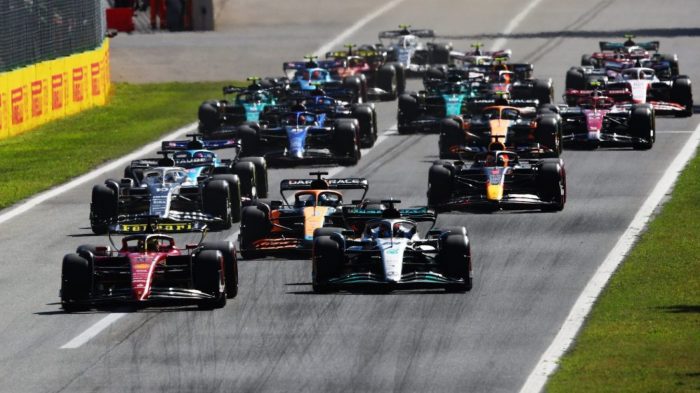
Formula 1 2025 season promises to be a groundbreaking chapter in the world of motorsport, introducing an array of regulatory changes that will undoubtedly shake things up. With teams gearing up for fierce competition, fans can expect thrilling races driven by technological advancements and strategic maneuvers. The combination of fresh regulations and evolving team dynamics is set to redefine how the sport is played.
This season, key teams and drivers are poised to make their mark, as new regulations steer the competition in unexpected directions. From cutting-edge technologies that could alter race outcomes to the critical legal implications facing the sport, the 2025 season is shaping up to be a pivotal year for Formula 1.
Overview of the Formula 1 2025 Season
The 2025 Formula 1 season is set to be a groundbreaking year with significant regulatory changes, a new crop of drivers, and advancements in technology that are expected to shape the competitive landscape. As the sport continues to evolve, teams and fans alike are gearing up for an exhilarating season filled with innovative strategies and fierce rivalries.The 2025 season will introduce a variety of regulatory changes aimed at enhancing competition and sustainability.
These modifications will focus on aerodynamics, power unit specifications, and race formats, fundamentally altering the approach teams take to car design and race strategy.
Regulatory Changes for 2025
The anticipated regulatory changes for the 2025 season are designed to level the playing field and promote more exciting racing. Key changes include:
- Aerodynamic Adjustments: New regulations will limit downforce levels, encouraging teams to explore alternative designs while maintaining performance. This is expected to lead to closer racing and fewer dominant teams.
- Power Unit Evolution: The introduction of a new hybrid power unit specification emphasizes sustainability, with a significant increase in the use of biofuels and a focus on reducing carbon emissions.
- Race Format Innovations: The 2025 season may see the introduction of sprint races at more circuits, creating additional opportunities for teams to earn points and alter race strategies.
Key Teams and Drivers for 2025
As Formula 1 transitions into 2025, several teams and drivers are poised to make significant impacts throughout the season. The competitive landscape is shaped by established teams and emerging talents:
- Mercedes-AMG Petronas: With a strong legacy and an experienced lineup, Mercedes looks to continue its dominance in the hybrid era, especially with Lewis Hamilton expected to lead the charge.
- Red Bull Racing: Known for its aggressive strategy and superior aerodynamics, Red Bull remains a formidable force, especially with Max Verstappen’s exceptional driving skills.
- Ferrari: After several seasons of rebuilding, Ferrari aims to reclaim its former glory with a young and dynamic driver pairing. Charles Leclerc is anticipated to be a key contender for the championship.
- McLaren: With significant investments in technology and personnel, McLaren is set to challenge the established order, particularly with Lando Norris showcasing remarkable talent.
Technological Advancements Impacting Race Outcomes
Technological innovations are set to play a crucial role in determining the outcomes of races in the 2025 season. The focus on sustainability and performance will enhance the overall spectacle of the sport.
- Advanced Simulation Tools: Teams are increasingly using sophisticated simulations for both car design and race strategy. Enhanced predictive algorithms may lead to better decision-making during races.
- Enhanced Telemetry Systems: Real-time data analysis during races will allow teams to optimize performance on-the-fly, providing a competitive edge that could prove decisive at critical moments.
- Energy Recovery Systems: Further improvements in energy recovery technology will enable drivers to maximize power output while managing fuel efficiency effectively during races.
“The 2025 season will redefine the boundaries of performance and sustainability in Formula 1.”
Implications of Law and Issues in Motorsports
As the Formula 1 2025 season approaches, the landscape of legal regulations and ethical concerns in motorsports is becoming increasingly complex. Teams, sponsors, and governing bodies must navigate a myriad of laws that impact the sport at both national and international levels. This discussion encompasses the critical legal frameworks, ethical sponsorship issues, and the essential role of international governing bodies in shaping the future of Formula 1.
Legal Regulations Impacting Formula 1
The legal framework governing Formula 1 in 2025 is shaped by various national and international laws, which can significantly influence operations, competitiveness, and safety protocols. Key regulations include:
- Data Protection Laws: The implementation of GDPR and similar data protection regulations requires teams to handle personal data of fans and employees with heightened care, ensuring compliance with stringent privacy standards.
- Anti-Doping Regulations: The FIA enforces strict anti-doping laws to maintain fairness in competition. Teams must ensure that all athletes adhere to these regulations, which may involve regular testing and monitoring.
- Environmental Legislation: With an increased focus on sustainability, regulations related to emissions and waste management are critical. Teams will need to adopt cleaner technologies and practices to comply with evolving environmental standards.
Ethical Issues Surrounding Sponsorships
Sponsorships play a significant role in the financial ecosystem of Formula 1, yet they bring about ethical dilemmas that teams and sponsors must address to maintain integrity and public trust. Notable concerns include:
- Alcohol and Tobacco Sponsorship: The presence of alcohol and tobacco brands in motorsports raises ethical questions about promoting substances that are harmful to health, especially to younger audiences.
- Greenwashing: As sustainability becomes a buzzword, some sponsors may engage in “greenwashing,” where they exaggerate their environmental efforts, potentially misleading fans and stakeholders.
- Corporate Responsibility: Teams must ensure that their sponsors align with their values and engage in responsible business practices, which can influence public perception and brand loyalty.
The Role of International Motorsport Governing Bodies
International governing bodies, such as the FIA (Fédération Internationale de l’Automobile), play a pivotal role in establishing regulations that ensure fair competition, safety, and sportsmanship in Formula
1. Their responsibilities include
- Rule Enforcement: The FIA establishes and enforces the sporting code, ensuring that all teams adhere to the same set of rules, which is crucial for maintaining competitive balance.
- Safety Regulations: The governing body is responsible for implementing safety standards that protect drivers and teams, including advancements in car design and track safety measures.
- Technological Innovation: The FIA regulates technological advancements in the sport, which can influence car design, performance, and the integration of sustainable practices.
The Future of Team Dynamics in Formula 1

As the 2025 Formula 1 season approaches, teams are preparing to adapt their strategies to enhance driver performance and overall success. Team dynamics play a crucial role in determining how well drivers perform, both on and off the track. With advancements in technology, data analysis, and a focus on team culture, the landscape of Formula 1 is evolving rapidly.
Strategies to Enhance Driver Performance
To improve driver performance, teams will likely implement a variety of strategies that focus on both physical and mental aspects of racing. The integration of advanced technology and analytics will play a key role in shaping these strategies.
- Data-Driven Insights: Teams will leverage real-time data analytics to provide drivers with immediate feedback on their performance and car behavior during races. This could include insights from telemetry data, which can help drivers fine-tune their driving style and make informed decisions on track.
- Personalized Training Programs: Racing teams may develop tailored fitness and mental training regimens specific to each driver. This could involve working with sports psychologists to improve mental resilience and focus, vital for high-stakes racing scenarios.
- Enhanced Team Communication: Establishing clear and effective communication channels between drivers and engineers will be essential. Utilizing advanced communication tools will help ensure that drivers receive timely updates on strategy adjustments during races.
Impact of Team Culture on Success
Team culture significantly affects how well a unit operates, especially in the high-pressure environment of Formula 1 racing. A positive and collaborative team culture fosters trust and efficiency, which can lead to better performance on the track.
- Collaboration and Trust: When team members work collaboratively, it enhances problem-solving capabilities. Trust between drivers and engineers allows for more effective sharing of insights and strategies.
- Motivation and Morale: A supportive team culture can lead to higher morale among team members. When individuals feel valued and motivated, they are more likely to perform at their best, contributing to the overall success of the team.
- Adaptability and Innovation: Teams that foster a culture of innovation are better positioned to adapt to the rapidly changing landscape of Formula 1. Encouraging team members to propose and test new ideas can lead to breakthroughs in performance.
Evolving Role of Team Principals
The role of team principals is evolving as they become more integral to shaping strategies and making pivotal decisions. As the landscape of Formula 1 changes, their leadership and vision will be crucial for driving success.
- Strategic Oversight: Team principals will need to take a more hands-on approach in formulating race strategies, utilizing data analytics to inform decisions that could affect race outcomes.
- Leadership and Management: Effective leadership is paramount. Team principals must inspire their teams while managing diverse personalities and ensuring a cohesive working environment.
- Crisis Management: In the fast-paced world of Formula 1, crises can arise unexpectedly. A team principal’s ability to remain calm under pressure and make critical decisions can significantly influence the team’s performance during races.
Last Recap
As we look ahead to the Formula 1 2025 season, the excitement is palpable. With a mix of evolving strategies, legal considerations, and advancements in technology, this season holds promise for dramatic shifts in the competitive landscape. Whether you’re a die-hard fan or a casual observer, there’s no denying that the journey ahead will be captivating and full of surprises.
Questions Often Asked
What are the major regulation changes for 2025?
The 2025 season will see significant shifts in technical regulations aimed at improving safety and sustainability, including changes to engine specifications and aerodynamics.
Which teams are expected to lead in the 2025 season?
Top teams like Mercedes, Red Bull, and Ferrari are anticipated to be frontrunners, although emerging teams may surprise with their performance.
How will technology impact the races in 2025?
New technologies, including advanced data analytics and enhanced vehicle dynamics, are expected to play a crucial role in race strategies and outcomes.
What legal issues could affect the Formula 1 2025 season?
Legal regulations concerning sponsorships, environmental standards, and team compliance are critical factors that may impact the operations and reputation of teams.
How are team dynamics changing in 2025?
Teams are focusing on fostering positive culture and collaboration, which will be essential for enhancing driver performance and success on the track.