Beginning with Karate kata tutorials, the narrative unfolds in a compelling and distinctive manner, drawing readers into a story that promises to be both engaging and uniquely memorable.
Karate kata serves as a vital form of practice in martial arts, combining movement, technique, and tradition. Understanding the basics of kata, its historical significance, and the techniques involved lays a strong foundation for both beginners and experienced practitioners. This guide takes you through the essentials of karate kata, from its origins and various styles to detailed tutorials that cater to different skill levels.
Karate Kata Basics
Karate kata serves as a fundamental aspect of martial arts training, encapsulating techniques, movements, and philosophies essential for practitioners at all levels. By practicing kata, martial artists develop their skills, enhance their physical conditioning, and cultivate a deeper understanding of karate’s principles.The concept of kata has deep historical roots in martial arts, evolving through various cultures and styles over centuries.
Initially, kata were created as a means of preserving combat techniques and strategies. Through the transmission of knowledge from master to student, these forms transformed into structured patterns that embody both practical fighting techniques and spiritual discipline. Kata are not merely choreographed movements; they reflect the essence of martial arts, serving as a bridge between the physical and the mental.
History and Evolution of Kata in Martial Arts
Kata originated in ancient East Asian martial traditions, with the earliest forms traced back to Chinese martial arts. Over time, these movements were integrated into Japanese martial arts, particularly in karate. The term “kata” itself means “form” or “shape” in Japanese, indicating the structured nature of these sequences. As karate spread globally, different styles emerged, each developing its unique set of kata.
The evolution of kata can be summarized in several key phases:
- Traditional Roots: Early kata were influenced by Chinese martial arts, focusing on practical self-defense techniques.
- Systematization: The establishment of formal dojos in Japan led to a more structured approach to teaching kata, with standardized movements and sequences.
- Global Influence: As karate gained international recognition, various countries adapted kata to incorporate local styles and philosophies, resulting in diverse interpretations of the original forms.
Different Styles of Karate and Their Unique Kata
Karate encompasses several distinct styles, each with its characteristic approach to kata. Understanding these differences is crucial for practitioners aiming to master their chosen style. The following list highlights some of the major karate styles and their notable kata:
- Shotokan: Known for its powerful stances and linear movements, Shotokan includes kata such as Heian Shodan and Kanku Dai.
- Goju-Ryu: This style emphasizes both hard and soft techniques, featuring kata like Gekisai Dai Ichi and Saifa.
- Wado-Ryu: A blend of karate and jujutsu, Wado-Ryu focuses on body movement and evasion, with kata such as Pinan Nidan and Seishan.
- Shito-Ryu: Characterized by its variety of kata, Shito-Ryu incorporates both hard and soft techniques, featuring forms like Bassai Dai and Naihanchi.
Kata remains a vital component of karate training, fostering discipline, focus, and a deep connection to the art form. Each style’s unique kata reflects its philosophy, techniques, and historical context, making them essential for practitioners seeking to understand and embody the spirit of karate.
Step-by-Step Kata Tutorials
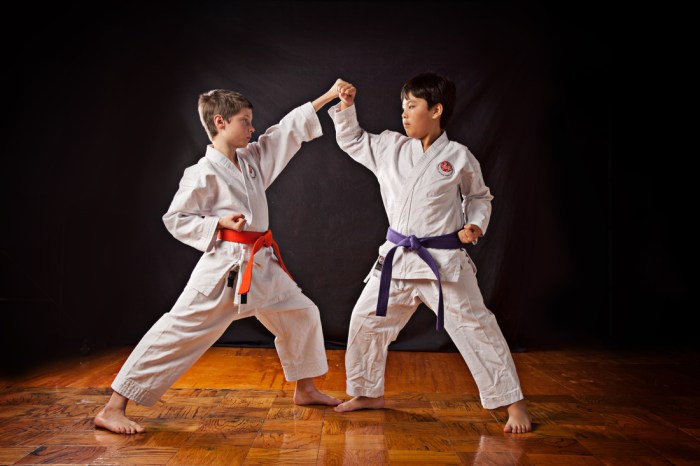
In this section, we delve into structured tutorials tailored for practitioners at various skill levels. Whether you are just starting your journey in karate or looking to refine your techniques, there’s something for everyone. Kata not only enhances physical skills but also promotes mental discipline, making it essential for martial arts training.
Beginner-Level Kata Tutorial
For beginners, practicing kata serves as a foundational step to understanding the basics of karate. The first kata most often introduced is called Heian Shodan. Below are the key movements and techniques involved in this kata:
- Yoi Position: Begin in a ready stance, feet shoulder-width apart, hands at your sides. This stance prepares you mentally and physically for the kata.
- Left Downward Block (Otoshi Uke): Step your left foot forward into a front stance while executing a downward block with your left arm. This movement represents defending against an attack.
- Right Middle Punch (Chudan Tsuki): After the block, thrust your right arm forward into a punch, ensuring your hips rotate for power.
- Right Downward Block: Shift your body weight back and perform a downward block with your right arm, stepping back into a back stance.
- Repeat similar movements to complete the kata, maintaining focus on balance, breathing, and transitions.
Each movement in Heian Shodan emphasizes basic stances, blocks, and strikes essential for building a solid foundation in karate.
Intermediate Kata Refinement
For intermediate practitioners, refinement of technique is crucial. The kata Tekki Shodan introduces lateral movement and deeper stances. This kata requires attention to detail and fluidity in movements. Focus on the following aspects:
- Stance and Balance: Ensure that each stance is stable while transitioning smoothly between movements. Keep your weight centered to maintain balance.
- Breathing Control: Integrate breathing techniques with each movement. Inhale during preparation and exhale during strikes or blocks to maximize power.
- Sharpness and Precision: Focus on the sharpness of each technique. Execute blocks and punches with intention, imagining a realistic opponent.
- Visualization: As you practice, visualize the application of each move in a self-defense scenario. This not only enhances performance but also boosts confidence.
By concentrating on these elements, intermediate practitioners can elevate their kata performance significantly.
Advanced Kata Application
Advanced practitioners often explore katas like Bassai Dai, which emphasizes powerful techniques and applications. This kata is essential for understanding the principles of self-defense and combat effectiveness. Consider these applications:
- Application of Techniques: Each movement in Bassai Dai represents a response to various attacks. For example, the rising block can be visualized as deflecting an opponent’s strike while simultaneously preparing for a counterattack.
- Combination of Techniques: Integrate multiple techniques together, such as transitioning from a block into a counter-punch swiftly. This combination mirrors real-life combat scenarios.
- Power Generation: Focus on generating power from your hips and core. Every strike and block should convey force, akin to a spring being released in an explosion of energy.
- Self-Defense Strategy: Analyzing each movement of Bassai Dai for self-defense scenarios can provide insights into practical applications, enhancing both your kata performance and real-world fighting skills.
Through dedicated practice and understanding of these advanced principles, practitioners can seamlessly blend kata performance with effective self-defense techniques.
Related Sports and Martial Arts
Martial arts encompass a diverse range of disciplines that extend beyond mere physical activity; they often involve intricate techniques, traditions, and legal frameworks. Understanding the legal aspects tied to martial arts training and competitions, along with the role of kata in various disciplines, reveals the rich tapestry of these practices. Additionally, comparing kata practices in karate to those in other sports highlights the unique characteristics and significance of kata in martial arts.
Legal Aspects of Martial Arts Training and Competitions
The legal landscape surrounding martial arts is essential for practitioners and instructors alike. It encompasses regulations that ensure safety, fairness, and accountability within the sport. Key aspects include:
- Liability and Insurance: Instructors may be required to carry liability insurance to protect against potential lawsuits arising from injuries during training or competitions.
- Age Restrictions: Many martial arts tournaments impose age limits on competitors to safeguard younger participants from undue harm.
- Safety Regulations: Organizations like the World Karate Federation (WKF) enforce strict safety standards, including protective gear requirements during competitions.
- Rules of Engagement: Various martial arts have codified rules that dictate acceptable techniques to minimize the risk of injury, ensuring fair play.
The Role of Kata in Other Martial Arts Disciplines
Kata, or pre-arranged forms, serve as foundational elements in many martial arts, providing practitioners a structured approach to technique execution and movement. While karate kata are well-known, other disciplines incorporate similar practices to enhance training. For instance, judo utilizes “randori” and “kata” to teach throwing techniques, while taekwondo has “poomsae” that emphasize fluidity and precision. Kata practices contribute to:
- Muscle Memory Development: Repeating kata helps practitioners internalize movements, improving reaction times and precision in free sparring.
- Discipline and Focus: The structured nature of kata fosters mental discipline, essential for performing under pressure.
- Understanding Technique Application: Kata often include imaginary opponents, allowing students to visualize and comprehend the application of techniques in real combat situations.
Comparison of Kata Practices in Karate and Other Sports
Kata’s significance spans beyond karate, manifesting in various forms across different sports. In team sports, for instance, structured drills replicate kata’s focus on technique and teamwork. Athletes practice set movements in drills, such as basketball shooting routines or soccer passing patterns, emphasizing repetition and precision. Water sports like synchronized swimming also feature choreographed routines akin to kata, blending artistry and athleticism.Key similarities and differences include:
- Structured Repetition: Both kata and drills in team sports involve repetitive practice to master skills.
- Individual vs. Team Focus: Karate kata typically emphasize individual performance, while team sports require coordination and synchronization among multiple participants.
- Cognitive Engagement: Kata demands mental engagement similar to strategizing during a game, while routines in team sports focus on immediate execution of strategies.
“Martial arts, through kata and structured practices, build not just physical strength, but mental fortitude and discipline necessary for success in any arena.”
Last Recap
In summary, mastering karate kata not only enhances physical skills but also deepens one’s understanding of martial arts as a whole. Whether you’re a beginner eager to learn the basics or an advanced practitioner looking to refine your techniques, this guide offers valuable insights and tutorials that cater to every level. Embrace the journey of karate kata, and you’ll find a rewarding path filled with growth and self-discovery.
FAQ Section
What is karate kata?
Karate kata is a series of pre-arranged movements that simulate combat situations and are used for training and skill development.
How long does it take to learn a kata?
The time it takes to learn a kata can vary widely, but beginners may take weeks to months to master basic forms, while advanced katas may take years to perfect.
Can kata be practiced alone?
Yes, kata can be practiced solo, allowing practitioners to focus on movements and techniques without a partner.
Do all karate styles have the same katas?
No, different karate styles have unique katas, each with specific movements and applications that reflect the style’s philosophy.
How often should I practice kata?
Regular practice is essential; many practitioners recommend practicing kata several times a week for best results.